Mapping the state of global biodiversity
Quantitative Biodiversity Lab at McGill University
What we do
In the current era of big data, big models and big threats, we look at how to best channel this accumulating biodiversity knowledge for predicting and understanding biodiversity change
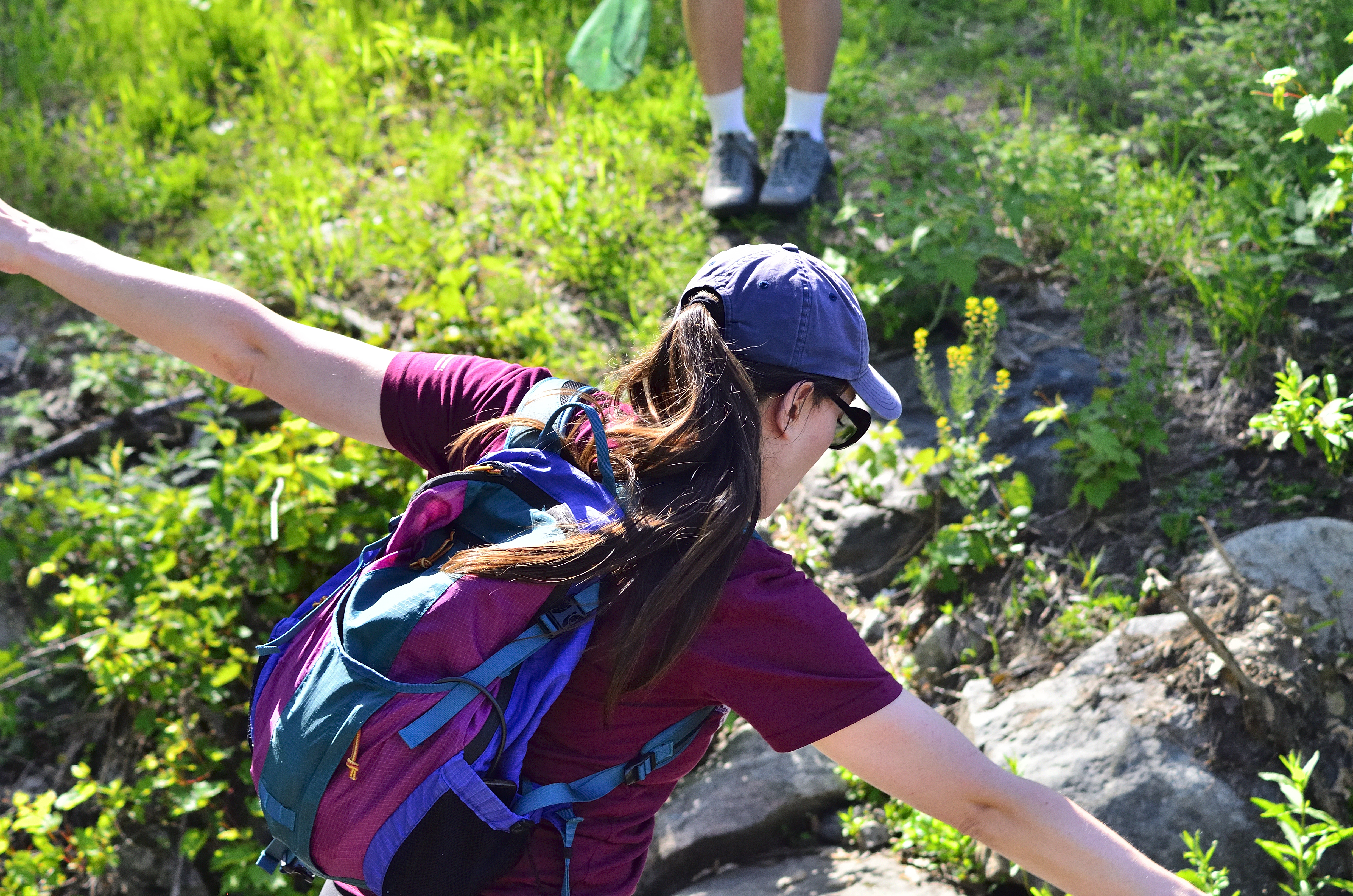
Every day we understand more about the biodiversity on the planet, and every day this biodiversity becomes more threatened.
Our research team investigates how this data can help model and forecast global biodiversity change, organized around three main themes: 1) advances in biodiversity modelling, 2) biogeography and species interactions, and 3) conservation priority-setting. Across all three, we are especially interested in the role AI and citizen science can play in advancing this research.
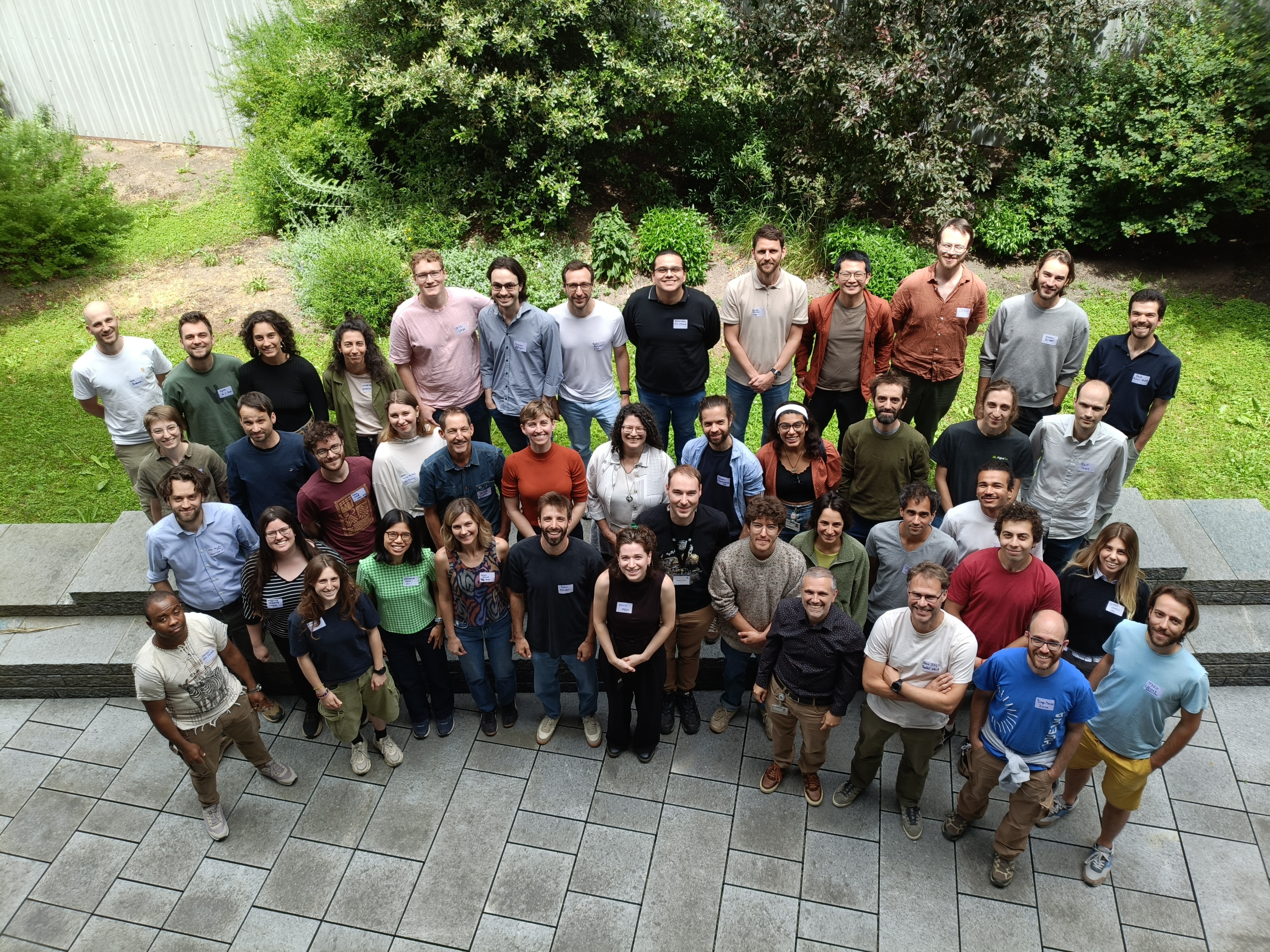
Who we are
Our core focus is biodiversity modelling, and we use traits, phylogenies, and species interactions to help ground these models in ecological reality.
We ask questions like: which taxa serve important (and possibly overlooked) roles, where are they, and how could we protect them?
Why this work matters
We’re helping close the gap between scientific research and real-world decision-making.
We focus on the quantitative, biogeographic, and macro-ecological perspectives to translate important findings from biodiversity research into a form useable for conservation applications.